

Pedro Silva is the Technology Transfer Director at Instituto de Medicina Molecular. Raised 500+ million euros in research and innovation funding, managed 200+ patents, negotiated 50+ license agreements and supported the creation of 30+ startups. From 2010, after work experience in the US, increasing focus on life sciences tech transfer and start-up creation. He is currently member of the Board of two start-ups based on iMM IP. Pedro served as a consultant to start-ups, SMEs, large corporations, and other public and private organizations in strategy, business development, innovation management, intellectual property, licensing, and fundraising. Member and coordinator of projects with European, National and regional funding. Participated as evaluator and expert in different EU funding programs and European Commission missions, respectively. Pedro has a BSc in International Relations and Affairs and a Post-Graduation in European Studies.
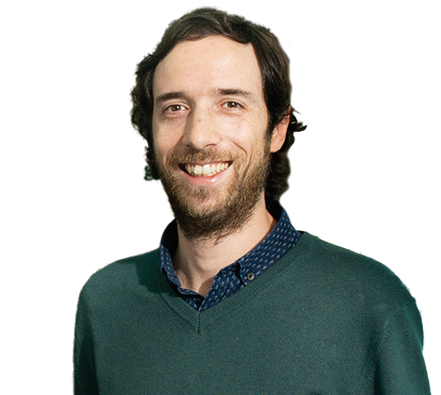
 Pedro Silva, BSc
President
Pedro Silva is the Technology Transfer Director at Instituto de Medicina Molecular. Raised 500+ million euros in research and innovation funding, managed 200+ patents, negotiated 50+ license agreements and supported the creation of 30+ startups. From 2010, after work experience in the US, increasing focus on life sciences tech transfer and start-up creation. He is currently member of the Board of two start-ups based on iMM IP. Pedro served as a consultant to start-ups, SMEs, large corporations, and other public and private organizations in strategy, business development, innovation management, intellectual property, licensing, and fundraising. Member and coordinator of projects with European, National and regional funding. Participated as evaluator and expert in different EU funding programs and European Commission missions, respectively. Pedro has a BSc in International Relations and Affairs and a Post-Graduation in European Studies.
Joana Branco is the Executive Director and a Board Member at Biocant – Technology Transfer Association. Joana also serves as a Board of Directors at P-Bio, Portugal’s Biotechnology Industry Organization.
She has over 16 years of experience in the biotechnology field, first as an entrepreneur, co-founding Gene PreDiT, and then as the innovation director at Biocant Park. Over the years she has been responsible for technology scouting activities, business management for science- backed projects, fund raising and project management, providing support and mentoring to entrepreneurs in the life science area.
Joana Branco holds a degree in Biochemistry, University of Coimbra, a PhD in Biomedical Sciences, University of Porto and Baylor College of Medicine – Houston, US, and training in Entrepreneurship from Porto Business School.
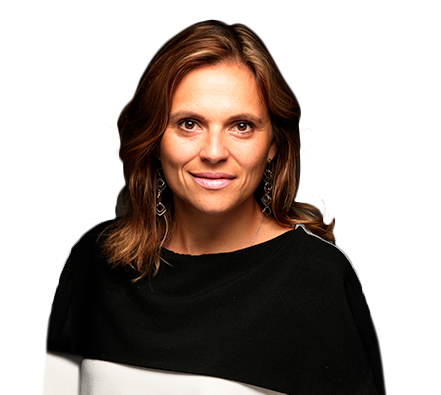
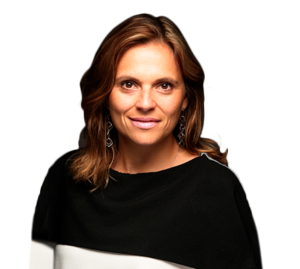 Joana Branco, PhD
Member
Joana Branco is the Executive Director and a Board Member at Biocant – Technology Transfer Association. Joana also serves as a Board of Directors at P-Bio, Portugal’s Biotechnology Industry Organization.
She has over 16 years of experience in the biotechnology field, first as an entrepreneur, co-founding Gene PreDiT, and then as the innovation director at Biocant Park. Over the years she has been responsible for technology scouting activities, business management for science- backed projects, fund raising and project management, providing support and mentoring to entrepreneurs in the life science area.
Joana Branco holds a degree in Biochemistry, University of Coimbra, a PhD in Biomedical Sciences, University of Porto and Baylor College of Medicine – Houston, US, and training in Entrepreneurship from Porto Business School.
Cláudia Cavadas is Professor at the Faculty of Pharmacy of the University of Coimbra (UC) and the head of the Neuroendocrinology and Aging Group at CNC – Center for Neuroscience and Cell Biology from UC. At the Faculty of Pharmacy she was Subdirector, member of the Pedagogical Council, elected member of the Scientific Council, of the Assembly and of the Statutory Committee. She was President of the Portuguese Society of Pharmacology. Cláudia Cavadas has a degree in Pharmaceutical Sciences from Faculdade de Farmácia da Universidade de Coimbra, Master in Cell Biology and PhD in Pharmacy, in the specialty of Pharmacology, from UC. From 1998 to 2001 she did her PhD research at the Centre Hopitalier Vaudois and at the University of Lausanne, Switzerland.
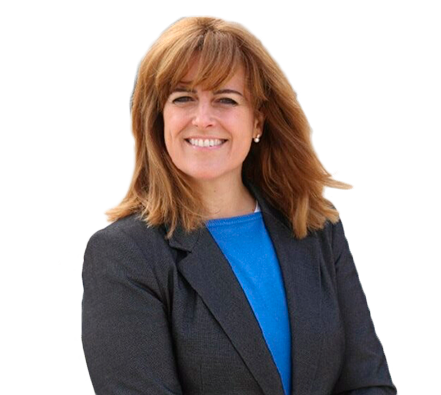
 Cláudia Cavadas, PhD
Member
Cláudia Cavadas is Professor at the Faculty of Pharmacy of the University of Coimbra (UC) and the head of the Neuroendocrinology and Aging Group at CNC – Center for Neuroscience and Cell Biology from UC. At the Faculty of Pharmacy she was Subdirector, member of the Pedagogical Council, elected member of the Scientific Council, of the Assembly and of the Statutory Committee. She was President of the Portuguese Society of Pharmacology. Cláudia Cavadas has a degree in Pharmaceutical Sciences from Faculdade de Farmácia da Universidade de Coimbra, Master in Cell Biology and PhD in Pharmacy, in the specialty of Pharmacology, from UC. From 1998 to 2001 she did her PhD research at the Centre Hopitalier Vaudois and at the University of Lausanne, Switzerland.
Ricardo Perdigão Henriques is the CEO of Bionova Capital. He leads the identification of new investment opportunities and the management of Hovione Capital’s portfolio companies.
Ricardo has over 15 years of experience in the life sciences sector in USA and Portugal, from biomedical research to the pharmaceutical industry. Prior to joining Bionova Capital, Ricardo was an Investment Manager at Portugal Ventures and an International Business Analyst at BIAL Labs.
Ricardo is a Harvard and MIT-educated scientist with a BSc in Biochemistry and a PhD in Molecular Oncology, with publications in high-ranking journals such as the Journal of Clinical Investigation, Oncogene (Nature Publishing Group), and Biotechnology Progress.

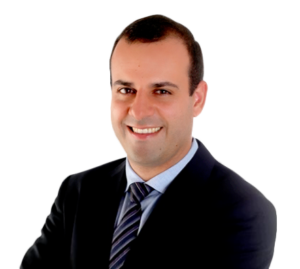 Ricardo Perdigão Henriques, PhD
Member
Ricardo Perdigão Henriques is the CEO of Bionova Capital. He leads the identification of new investment opportunities and the management of Hovione Capital’s portfolio companies.
Ricardo has over 15 years of experience in the life sciences sector in USA and Portugal, from biomedical research to the pharmaceutical industry. Prior to joining Bionova Capital, Ricardo was an Investment Manager at Portugal Ventures and an International Business Analyst at BIAL Labs.
Ricardo is a Harvard and MIT-educated scientist with a BSc in Biochemistry and a PhD in Molecular Oncology, with publications in high-ranking journals such as the Journal of Clinical Investigation, Oncogene (Nature Publishing Group), and Biotechnology Progress.
Margarida Diogo is an Associate Professor at the Department of Bioengineering of IST, lecturing among others the courses “Cell and Tissue Engineering” and “Stem Cell Bioengineering”. She is senior researcher at the Stem Cell Engineering Research Group of iBB, leading the Focus Area of Biology and Engineering of Pluripotent Stem Cells. Her research activities are focused on the development of advanced neural and cardiac tissue models from human pluripotent stem cells and their applications for disease modeling, drug screening and toxicology assays. Margarida finished her MSc in Biotechnology in 1999 and her PhD in Biotechnology in 2004, both at Instituto Superior Técnico.

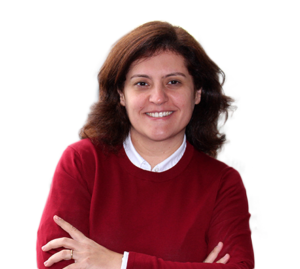 Margarida Diogo, PhD
Member
Margarida Diogo is an Associate Professor at the Department of Bioengineering of IST, lecturing among others the courses “Cell and Tissue Engineering” and “Stem Cell Bioengineering”. She is senior researcher at the Stem Cell Engineering Research Group of iBB, leading the Focus Area of Biology and Engineering of Pluripotent Stem Cells. Her research activities are focused on the development of advanced neural and cardiac tissue models from human pluripotent stem cells and their applications for disease modeling, drug screening and toxicology assays. Margarida finished her MSc in Biotechnology in 1999 and her PhD in Biotechnology in 2004, both at Instituto Superior Técnico.
Bárbara Gomes is the CEO of AccelBio. Bárbara is a senior technology transfer professional with 10 years of professional experience dedicated to biomedical research. As a researcher she received several awards, including the SPBf Young Biophysicist 2020 award. Since 2017 she is dedicated to research funding and technology transfer activities, being a member of projects with European, national and regional funding. As technology transfer officer she managed a technology portfolio consisting of an average of 20 active patents annually, supported competitive funding applications, having raised over 20 million euros, and promoted and negotiated collaborations with private companies. Bárbara was a member of the first cohort of the Women’s Leadership Program promoted by the European Innovation Council. Bárbara Gomes holds an MSc in Pharmaceutical Sciences from the Faculty of Pharmacy, University of Coimbra and a PhD in Biomedical Sciences from the Faculty of Medicine, University of Lisbon, in collaboration with Columbia University, US.

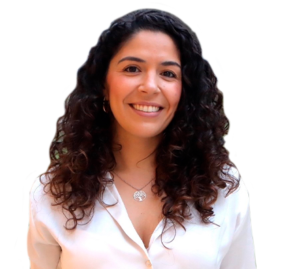 Bárbara Gomes, PhD
Chief Executive Officer
Bárbara Gomes is the CEO of AccelBio. Bárbara is a senior technology transfer professional with 10 years of professional experience dedicated to biomedical research. As a researcher she received several awards, including the SPBf Young Biophysicist 2020 award. Since 2017 she is dedicated to research funding and technology transfer activities, being a member of projects with European, national and regional funding. As technology transfer officer she managed a technology portfolio consisting of an average of 20 active patents annually, supported competitive funding applications, having raised over 20 million euros, and promoted and negotiated collaborations with private companies. Bárbara was a member of the first cohort of the Women’s Leadership Program promoted by the European Innovation Council. Bárbara Gomes holds an MSc in Pharmaceutical Sciences from the Faculty of Pharmacy, University of Coimbra and a PhD in Biomedical Sciences from the Faculty of Medicine, University of Lisbon, in collaboration with Columbia University, US.
Sílvia Almeida, is the CSO of AccelBio since September 2023, bringing two decades of experience bridging academia and the pharmaceutical landscape. Before joining AccelBio, Sílvia worked at Charles River Laboratories Ireland Ltd (CRL-IRE), initially as a Virologist, being responsible for leading the GMP implementation of the Biosafety Department.
Progressing to Department Manager and in vitro Scientific Manager, Sílvia expanded the department’s capabilities, overseeing method transfers, validations, and development. In her recent role as Head of in vitro Scientific Development and Business Strategies, she contributed to departmental strategy decisions, collaborated with global staff, and played a pivotal role in implementing new technologies.
With a decade of lecturing experience, Sílvia also served as a Foreign Visiting Professor for two years at the Federal University of Espirito Santo, Brazil, lecturing on Immunology, Molecular Biology, and Virology.
Sílvia expertise in virology and immunology stems from a six-year postdoctoral tenure at iMM, focusing on iNKT regulatory cells and follicular helper T cells.
Silvia holds a Ph.D. from Instituto Gulbenkian de Ciencia (IGC) – Universidade Nova de Lisboa (UN), specializing in manipulating the immune system by key viral genes in an in vivo cell-restricted context.

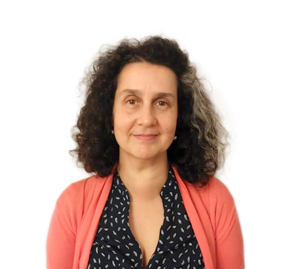 Sílvia Almeida, PhD
Chief Scientific Officer
Sílvia Almeida, is the CSO of AccelBio since September 2023, bringing two decades of experience bridging academia and the pharmaceutical landscape. Before joining AccelBio, Sílvia worked at Charles River Laboratories Ireland Ltd (CRL-IRE), initially as a Virologist, being responsible for leading the GMP implementation of the Biosafety Department.
Progressing to Department Manager and in vitro Scientific Manager, Sílvia expanded the department’s capabilities, overseeing method transfers, validations, and development. In her recent role as Head of in vitro Scientific Development and Business Strategies, she contributed to departmental strategy decisions, collaborated with global staff, and played a pivotal role in implementing new technologies.
With a decade of lecturing experience, Sílvia also served as a Foreign Visiting Professor for two years at the Federal University of Espirito Santo, Brazil, lecturing on Immunology, Molecular Biology, and Virology.
Sílvia expertise in virology and immunology stems from a six-year postdoctoral tenure at iMM, focusing on iNKT regulatory cells and follicular helper T cells.
Silvia holds a Ph.D. from Instituto Gulbenkian de Ciencia (IGC) – Universidade Nova de Lisboa (UN), specializing in manipulating the immune system by key viral genes in an in vivo cell-restricted context.
Ricardo Viais, is the COO of AccelBio, bringing his passion to be a bridge builder towards advances in biomedical research and promotion of robust research institutions. Before joining AccelBio, Ricardo served as project manager at iMM on the EpiEpiNet (epilepsy and epileptogenesis network), an international project funded by EU with the goal do reinforce epilepsy research and awareness. At EpiEpiNet, he coordinated international partnerships involving over 100 stakeholders, 4 international research institutions and several national and international patient-oriented association in the epilepsy field. He also supported researchers in secure funding, promoting their entrepreneurial capacity and in organization on over 15 scientific and society oriented events. Throughout his 10-year experience as researcher, Ricardo has focused on neurobiology, neurodevelopment and neurodevelopmental disorders. Ricardo holds a PhD in biomedicine from University of Barcelona and, in the last years, has obtained complementary education and training on several areas of project management and Responsible Research and Innovation.
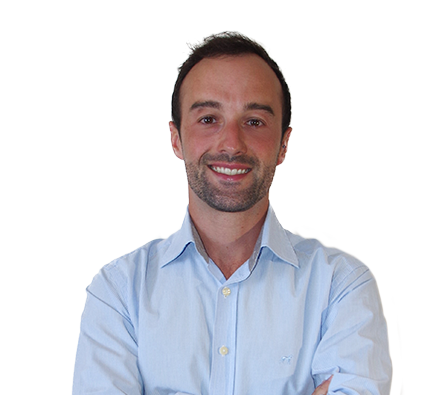
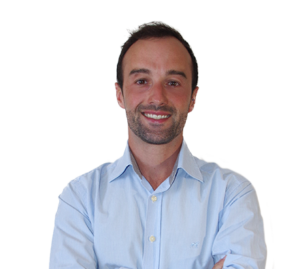 Ricardo Viais, PhD
Chief Operations Officer
Ricardo Viais, is the COO of AccelBio, bringing his passion to be a bridge builder towards advances in biomedical research and promotion of robust research institutions. Before joining AccelBio, Ricardo served as project manager at iMM on the EpiEpiNet (epilepsy and epileptogenesis network), an international project funded by EU with the goal do reinforce epilepsy research and awareness. At EpiEpiNet, he coordinated international partnerships involving over 100 stakeholders, 4 international research institutions and several national and international patient-oriented association in the epilepsy field. He also supported researchers in secure funding, promoting their entrepreneurial capacity and in organization on over 15 scientific and society oriented events. Throughout his 10-year experience as researcher, Ricardo has focused on neurobiology, neurodevelopment and neurodevelopmental disorders. Ricardo holds a PhD in biomedicine from University of Barcelona and, in the last years, has obtained complementary education and training on several areas of project management and Responsible Research and Innovation.
Mariana Branco is an Assistant Doctoral Researcher at Accelbio. As a researcher, Mariana has now 7 years of experience in working with human pluripotent stem cells in the cardiac field. In the past years, she has been dedicated to bring together bioengineer and developmental biology concepts to achieve innovative and cutting-edge in vivo inspired platforms that recreate heart organogenesis in vitro. Since 2021 she has been focused on translating cardiac organoid models for developmental cardiotoxicity screening applications, aiming to overcome the limited available data in humans regarding teratogenicity of already available or new developed drugs. Mariana holds an MSc in Biological Engineering from Instituto Superior Técnico, University of Lisbon and a PhD in Bioengineering from Instituto Superior Técnico, University of Lisbon.
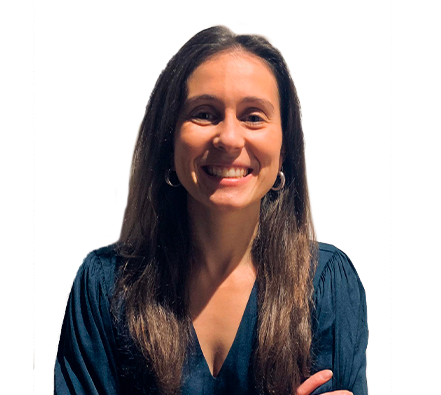
 Mariana Branco, PhD
Researcher – Advanced in vitro systems
Mariana Branco is an Assistant Doctoral Researcher at Accelbio. As a researcher, Mariana has now 7 years of experience in working with human pluripotent stem cells in the cardiac field. In the past years, she has been dedicated to bring together bioengineer and developmental biology concepts to achieve innovative and cutting-edge in vivo inspired platforms that recreate heart organogenesis in vitro. Since 2021 she has been focused on translating cardiac organoid models for developmental cardiotoxicity screening applications, aiming to overcome the limited available data in humans regarding teratogenicity of already available or new developed drugs. Mariana holds an MSc in Biological Engineering from Instituto Superior Técnico, University of Lisbon and a PhD in Bioengineering from Instituto Superior Técnico, University of Lisbon.
Cláudia Miranda is an Assistant Doctoral Researcher at AccelBio.
Cláudia has 12 years of experience in stem cell engineering. As a researcher, she was involved in several projects, aiming at the expansion and neural induction of human pluripotent stem cells. Cláudia focused on the neurodevelopmental effects of different drugs, to pave the way to creating new platforms for the assessment of drug-induced toxicity during embryonic development. Overall, her research includes 36 different co-authors, collaborations with 2 biotech companies, and international universities, including Bönn University and Massachusetts Institute of Technology. Since 2020, she is focused on the generation of an advanced kidney organoid model for drug safety and toxicity screening.
Cláudia holds a Degree in Biochemistry from FCT NOVA Lisbon, a MSc in Biotechnology and a PhD in Biotechnology and Biosciences from Instituto Superior Técnico, University of Lisbon.
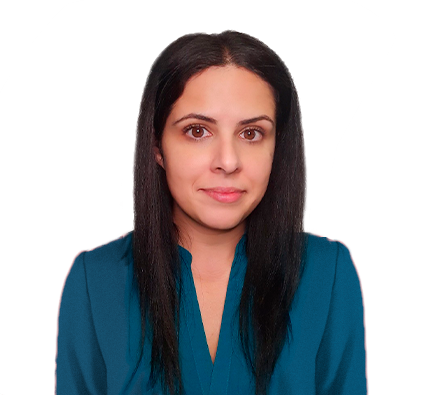
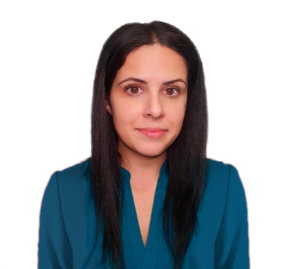 Cláudia Miranda, PhD
Researcher – Advanced in vitro systems
Cláudia Miranda is an Assistant Doctoral Researcher at AccelBio.
Cláudia has 12 years of experience in stem cell engineering. As a researcher, she was involved in several projects, aiming at the expansion and neural induction of human pluripotent stem cells. Cláudia focused on the neurodevelopmental effects of different drugs, to pave the way to creating new platforms for the assessment of drug-induced toxicity during embryonic development. Overall, her research includes 36 different co-authors, collaborations with 2 biotech companies, and international universities, including Bönn University and Massachusetts Institute of Technology. Since 2020, she is focused on the generation of an advanced kidney organoid model for drug safety and toxicity screening.
Cláudia holds a Degree in Biochemistry from FCT NOVA Lisbon, a MSc in Biotechnology and a PhD in Biotechnology and Biosciences from Instituto Superior Técnico, University of Lisbon.
João Leandro is a Translational Researcher at AccelBio, supporting drug discovery projects. João is a biochemist with experience in early drug discovery programs for several human rare disorders from genetic and biochemical validation of drug targets in cell and mouse models, assay development, HTS, hit validation and in vitro testing. He has also worked in enzyme replacement therapies using nanoparticles for delivery of human enzymes. For his work in Phenylketonuria, he was awarded the 2011 European Phenylketonuria Group Best Presentation in Basic Research. João Leandro holds a Bachelor in Applied Chemistry-Biotechnology from the FCT NOVA Lisbon, and a PhD in Pharmacy-Biochemistry from the Faculty of Pharmacy in Lisbon, in collaboration with the University of Bergen, Norway. He did two Post-doctoral studies: at the Faculty of Pharmacy in Lisbon, in collaboration with Ludwig-Maximilians-University, Germany, and at the Icahn School of Medicine at Mount Sinai Hospital, US.

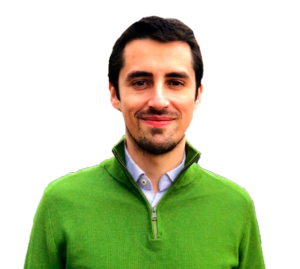 João Leandro, PhD
Translational Researcher – Drug Discovery Projects
João Leandro is a Translational Researcher at AccelBio, supporting drug discovery projects. João is a biochemist with experience in early drug discovery programs for several human rare disorders from genetic and biochemical validation of drug targets in cell and mouse models, assay development, HTS, hit validation and in vitro testing. He has also worked in enzyme replacement therapies using nanoparticles for delivery of human enzymes. For his work in Phenylketonuria, he was awarded the 2011 European Phenylketonuria Group Best Presentation in Basic Research. João Leandro holds a Bachelor in Applied Chemistry-Biotechnology from the FCT NOVA Lisbon, and a PhD in Pharmacy-Biochemistry from the Faculty of Pharmacy in Lisbon, in collaboration with the University of Bergen, Norway. He did two Post-doctoral studies: at the Faculty of Pharmacy in Lisbon, in collaboration with Ludwig-Maximilians-University, Germany, and at the Icahn School of Medicine at Mount Sinai Hospital, US.
Vânia Cardoso has 10 years’ experience in immunology research and preclinical studies, both at academia and at a biotech company. During her masters she studied the immune modulation in the field of infectious diseases and during the PhD she uncovered the role of neuronal inputs in innate lymphoid cell function. In late 2018, Vânia joined LiMM Therapeutics as one of the founding scientists where she worked as responsible for the scientific project management and conceptual and technical coordination of R&D activities using both preclinical experimental models and human tissue samples for translational research.
Vânia graduated in Biochemistry at the University of Minho, Portugal (2012). In 2014, she was granted with a master’s degree in Health Sciences by University of Minho, Portugal, In 2019, Vânia was awarded a PhD in Biomedical Sciences with specialization in Immunology.

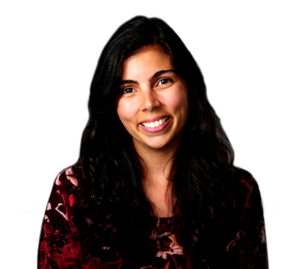 Vânia Cardoso, PhD
Translational Researcher – Drug Discovery Projects
Vânia Cardoso has 10 years’ experience in immunology research and preclinical studies, both at academia and at a biotech company. During her masters she studied the immune modulation in the field of infectious diseases and during the PhD she uncovered the role of neuronal inputs in innate lymphoid cell function. In late 2018, Vânia joined LiMM Therapeutics as one of the founding scientists where she worked as responsible for the scientific project management and conceptual and technical coordination of R&D activities using both preclinical experimental models and human tissue samples for translational research.
Vânia graduated in Biochemistry at the University of Minho, Portugal (2012). In 2014, she was granted with a master’s degree in Health Sciences by University of Minho, Portugal, In 2019, Vânia was awarded a PhD in Biomedical Sciences with specialization in Immunology.
Jacek Marzec is a Computational Biologist leading the bioinformatics analyses of multi-omics data involved in AccelBio’s projects. Jacek has 14 years of academic and professional experience in analysing, integrating and visualising heterogeneous sets of biological data. Jacek was involved in multiple research and in precision medicine projects pursued across various labs in UK and in Australia. During the appointment in Precision Oncology group at University of Melbourne Centre for Cancer Research Jacek has developed an innovative bioinformatic tool for analysing patients’ transcriptome profiles to complement genome-based findings and to aid clinicians in providing most optimal therapy and drug advice to cancer patients. Jacek holds an MSc in Applied Bioinformatics from Cranfield University and a PhD in Bioinformatics from the Centre for Molecular Oncology, Queen Mary University London.

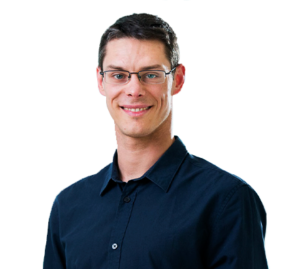 Jacek Marzec, PhD
Researcher – Multiomics
Jacek Marzec is a Computational Biologist leading the bioinformatics analyses of multi-omics data involved in AccelBio’s projects. Jacek has 14 years of academic and professional experience in analysing, integrating and visualising heterogeneous sets of biological data. Jacek was involved in multiple research and in precision medicine projects pursued across various labs in UK and in Australia. During the appointment in Precision Oncology group at University of Melbourne Centre for Cancer Research Jacek has developed an innovative bioinformatic tool for analysing patients’ transcriptome profiles to complement genome-based findings and to aid clinicians in providing most optimal therapy and drug advice to cancer patients. Jacek holds an MSc in Applied Bioinformatics from Cranfield University and a PhD in Bioinformatics from the Centre for Molecular Oncology, Queen Mary University London.
Ana Luísa Rayagra is a PhD student at AccelBio developing her studies at AccelBio’s “Advanced in vitro systems” platform, namely on generating human pluripotent stem cell-derived cardiac, renal, and neural models for toxicity assessment. Ana Luísa holds an MSc in Biomedical Engineering and Biophysics from the University of Lisbon. Her MSc project, carried out at the Institute for Bioengineering and Biosciences (iBB), aimed to develop novel 3D cardiac models derived from patient-specific human induced pluripotent stem cells to study Rett syndrome.

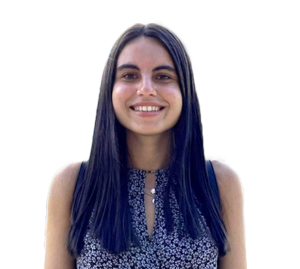 Ana Luísa Rayagra, MSc
PhD student – Advanced in vitro systems
Ana Luísa Rayagra is a PhD student at AccelBio developing her studies at AccelBio’s “Advanced in vitro systems” platform, namely on generating human pluripotent stem cell-derived cardiac, renal, and neural models for toxicity assessment. Ana Luísa holds an MSc in Biomedical Engineering and Biophysics from the University of Lisbon. Her MSc project, carried out at the Institute for Bioengineering and Biosciences (iBB), aimed to develop novel 3D cardiac models derived from patient-specific human induced pluripotent stem cells to study Rett syndrome.
Mafalda is an engineer with a keen interest in stem cells and advanced in vitro systems. During her bachelor's project, she studied cellular aggregation as a virulence determinant in cystic fibrosis chronic infections caused by Burkholderia multivorans at the Institute for Bioengineering and Biosciences, Instituto Superior Técnico. In 2024, Mafalda completed her master's studies with a project focused on the Generation and Characterization of Non-Myocyte Cells for Application in Bioengineered Cardiac Models. This project was developed at the Applied Stem Cell Technologies Group at the University of Twente, Netherlands. Currently, Mafalda Vicente is a PhD student at AccelBio, where she develops her studies in heart organoids.
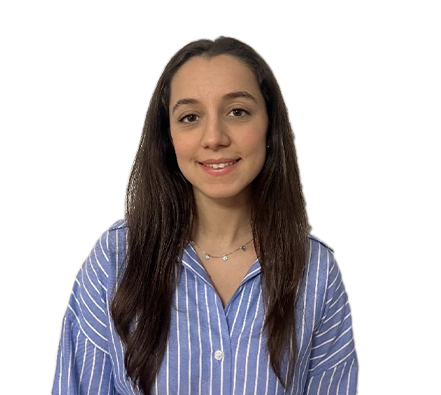
 Mafalda Vicente, MSc
PhD student – Advanced in vitro systems
Mafalda is an engineer with a keen interest in stem cells and advanced in vitro systems. During her bachelor's project, she studied cellular aggregation as a virulence determinant in cystic fibrosis chronic infections caused by Burkholderia multivorans at the Institute for Bioengineering and Biosciences, Instituto Superior Técnico. In 2024, Mafalda completed her master's studies with a project focused on the Generation and Characterization of Non-Myocyte Cells for Application in Bioengineered Cardiac Models. This project was developed at the Applied Stem Cell Technologies Group at the University of Twente, Netherlands. Currently, Mafalda Vicente is a PhD student at AccelBio, where she develops her studies in heart organoids.,
Cláudia Bicho, PhD is a project manager, researcher, and entrepreneur with over a decade of international experience in cell and molecular biology. She has worked at leading institutions in Portugal, the UK, and the USA, including the University of Edinburgh, the Gulbenkian Institute of Science, and the University of California, San Francisco.
Alongside her academic career, Cláudia successfully founded and managed an entrepreneurial venture in Lisbon for seven years, where she developed expertise in leadership, strategic planning, financial oversight, and compliance. She has a proven ability to design, manage, and deliver complex projects in both scientific and business contexts.
Passionate about advancing translational research and drug discovery, Cláudia combines deep academic knowledge with strong project management skills to drive innovation across disciplines and foster impactful collaborations.
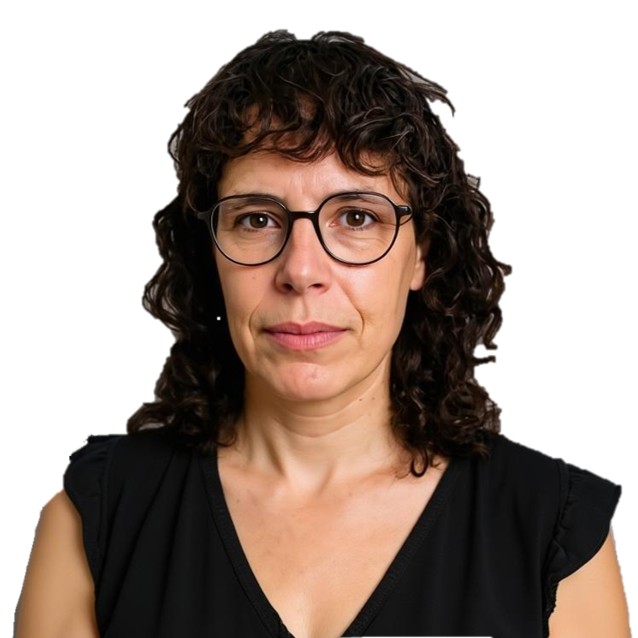
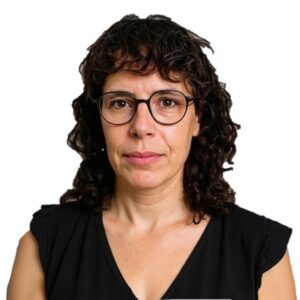 Cláudia Bicho, PhD
Project Manager
Cláudia Bicho, PhD is a project manager, researcher, and entrepreneur with over a decade of international experience in cell and molecular biology. She has worked at leading institutions in Portugal, the UK, and the USA, including the University of Edinburgh, the Gulbenkian Institute of Science, and the University of California, San Francisco.
Alongside her academic career, Cláudia successfully founded and managed an entrepreneurial venture in Lisbon for seven years, where she developed expertise in leadership, strategic planning, financial oversight, and compliance. She has a proven ability to design, manage, and deliver complex projects in both scientific and business contexts.
Passionate about advancing translational research and drug discovery, Cláudia combines deep academic knowledge with strong project management skills to drive innovation across disciplines and foster impactful collaborations.
Biomedical engineer with a specialization in tissue engineering and biofabrication/microfabrication techniques.
Dedicated to develop human in vitro models for pathology modelling and drug screening applications.
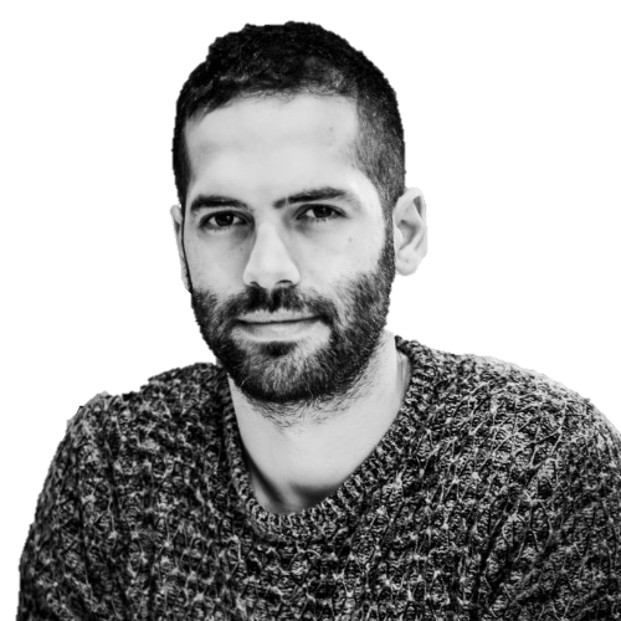
Tomás F.D. Silva is a Computational Medicinal Chemist at AccelBio. He applies molecular modeling, and advanced simulation techniques to support drug discovery. He specializes in molecular modeling and docking, structure-based assessment of therapeutic molecules, and multi-drug resistance mechanisms. Before joining AccelBio, Tomás was a postdoctoral researcher at the Molecular and Statistical Biophysics Group at SISSA, Trieste, where he developed novel frameworks to characterize nucleic acid motifs and study their behavior under varying cellular conditions. During his PhD at the University of Lisbon, he worked on tumor-targeting technologies, lysosomotropic therapeutic compounds, and enzyme engineering, combining computational methods with experimental collaborations to optimize selectivity, activity, and pharmacokinetic profiles. Tomás holds a PhD and MSc in Biochemistry from the University of Lisbon.
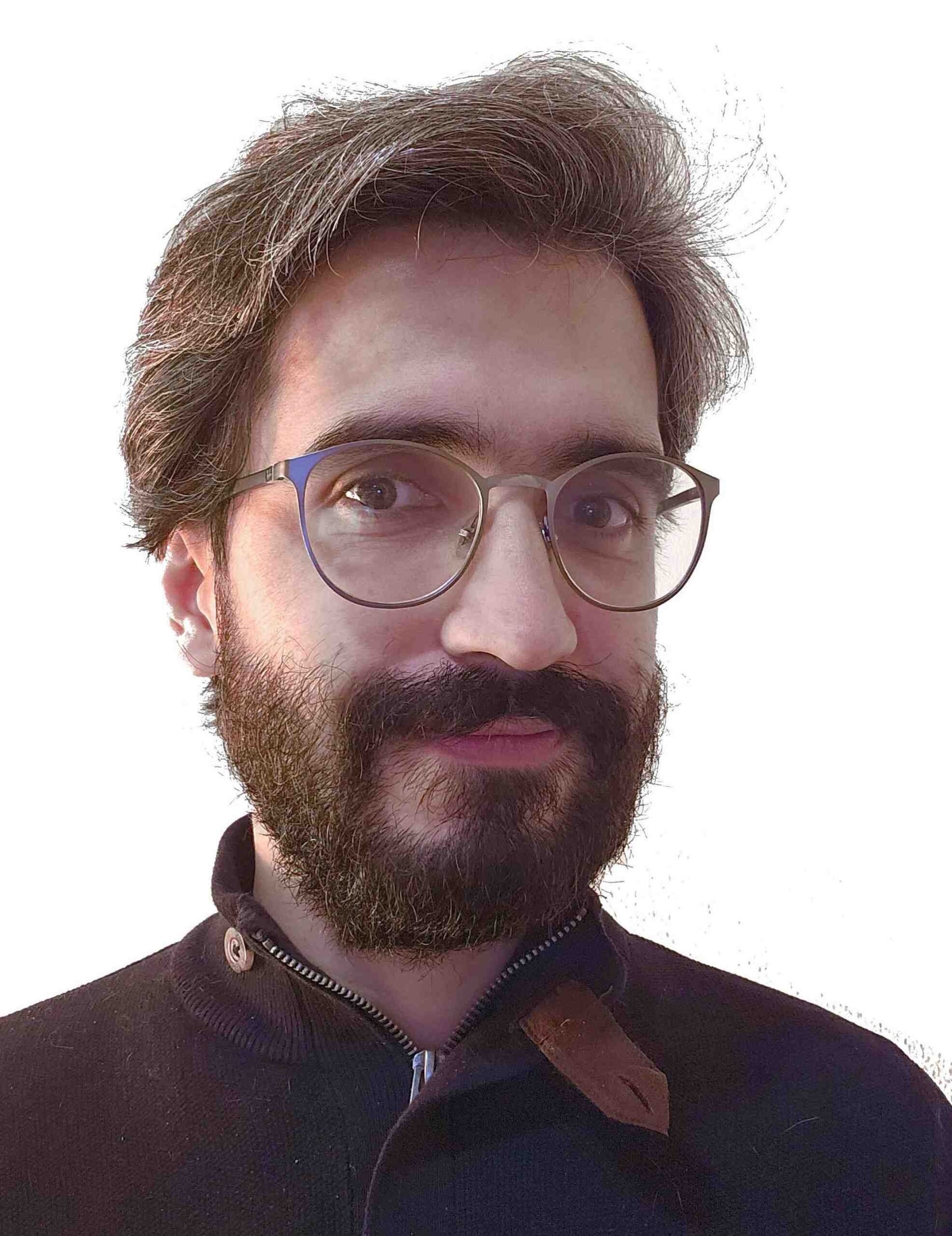
 Tomás Silva, PhD
Researcher – Computational Medicinal Chemistry
Tomás F.D. Silva is a Computational Medicinal Chemist at AccelBio. He applies molecular modeling, and advanced simulation techniques to support drug discovery. He specializes in molecular modeling and docking, structure-based assessment of therapeutic molecules, and multi-drug resistance mechanisms. Before joining AccelBio, Tomás was a postdoctoral researcher at the Molecular and Statistical Biophysics Group at SISSA, Trieste, where he developed novel frameworks to characterize nucleic acid motifs and study their behavior under varying cellular conditions. During his PhD at the University of Lisbon, he worked on tumor-targeting technologies, lysosomotropic therapeutic compounds, and enzyme engineering, combining computational methods with experimental collaborations to optimize selectivity, activity, and pharmacokinetic profiles. Tomás holds a PhD and MSc in Biochemistry from the University of Lisbon.
Filipe Rodrigues is a computational biochemist with expertise in molecular modelling and molecular dynamics simulations. He holds a Master's degree in Biochemistry and a PhD in Theoretical Biochemistry from the University of Lisbon. He has several years of research experience in the Molecular Modelling and Simulation group at FCUL. His master's thesis aimed to computationally characterize the interaction between a peptide related to Alzheimer's Disease and a chaperone. His PhD focused on the computational study of peptide dendrimers as agents for siRNA transfection. His work focuses on biomolecular mechanisms relevant to therapeutic design, including peptide dendrimers, amyloid aggregation, and pH-dependent processes, with applications to drug discovery. Filipe has authored multiple peer-reviewed publications in leading journals. Currently, he is a Research Assistant at AccelBio, supporting the development of computational pipelines.
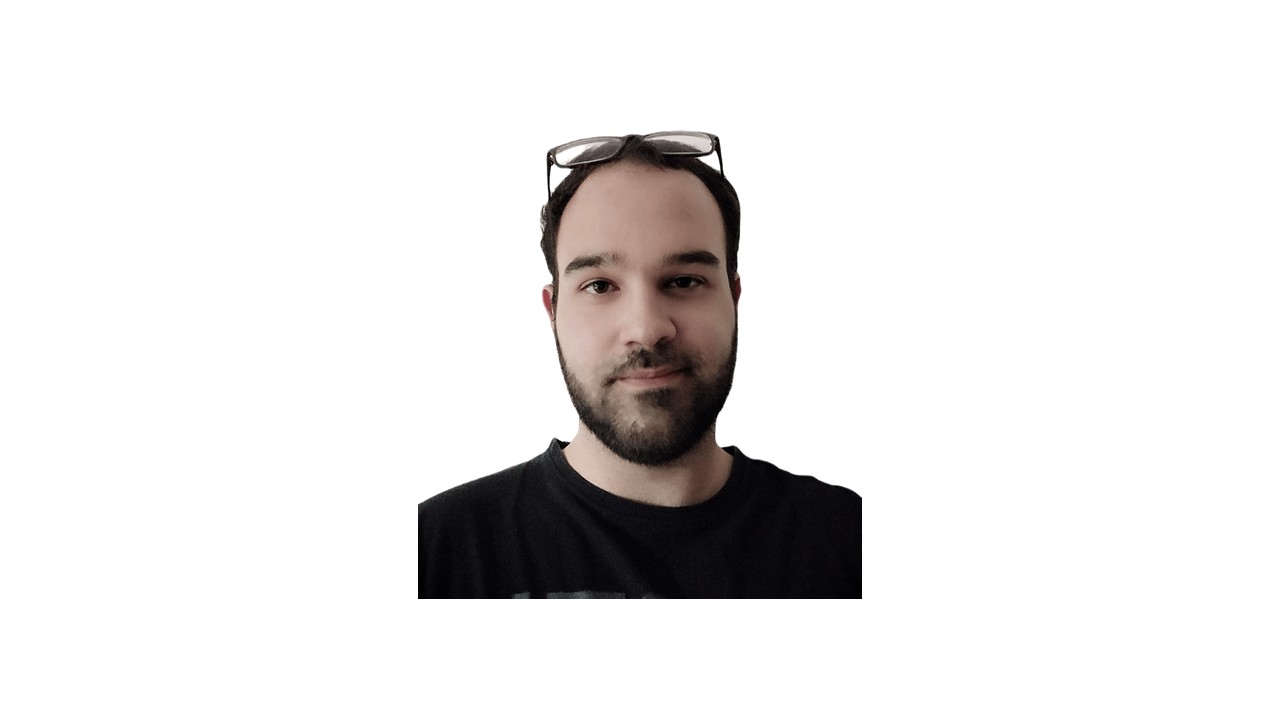
 Filipe Rodrigues, PhD
Research Fellow – Computational Medicinal Chemistry
Filipe Rodrigues is a computational biochemist with expertise in molecular modelling and molecular dynamics simulations. He holds a Bachelor's and a Master's degree in Biochemistry from the University of Lisbon. He has several years of research experience in the Molecular Modelling and Simulation group at FCUL. His master's thesis aimed to computationally characterize the interaction between a peptide related to Alzheimer's Disease and a chaperone. His work focuses on biomolecular mechanisms relevant to therapeutic design, including peptide dendrimers, amyloid aggregation, and pH-dependent processes, with applications to drug discovery. Filipe has authored multiple peer-reviewed publications in leading journals. Currently, he is a Computational Medicinal Chemist Fellow at AccelBio, supporting the development of computational pipelines.
Inês de Andrade Saraiva holds a BSc in Applied Chemistry from NOVA School of Science and Technology and an MSc in Biochemistry for Health from NOVA Medical School, where she participated in an Exchange Programme at the School of Pharmacy, University College London (UK), and conducted her thesis at IPATIMUP/i3S, University of Porto. She later returned to i3S as a research fellow. Her experience covers areas such as virology (including COVID-19 research), cancer research, biochemistry, and molecular biology. She also completed a specialization in Clinical Trials and Medical Writing at Hospital da Luz and W4Research. Currently, she is a final-year PhD student in Nuno Santos’ Lab at the Gulbenkian Institute for Molecular Medicine and the Faculty of Medicine, University of Lisbon. Actively engaged in science communication, she volunteers with Cartas com Ciência and authored the award-winning essay “Um silêncio necessário à compreensão humana”, published in Público as part of the BIAL-University of Lisbon 30 Years Award initiative.
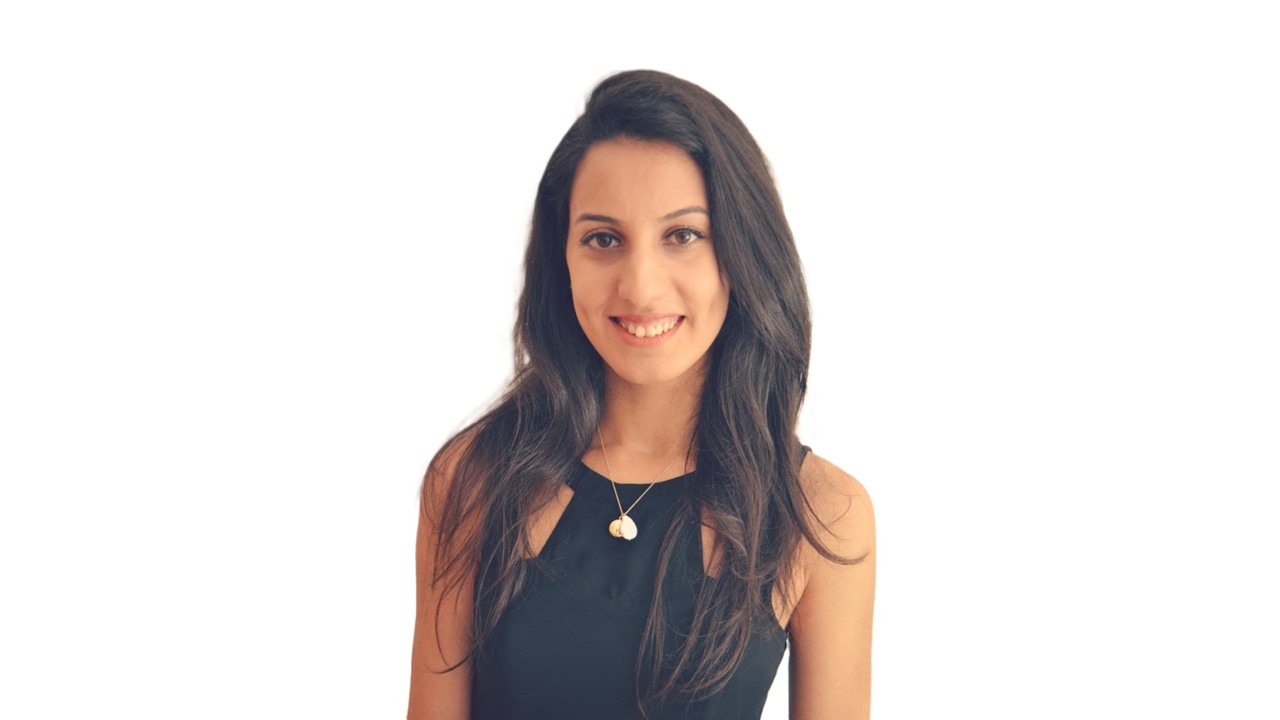
 Inês Saraiva, MSc
Research Fellow – Advanced in vitro systems
Inês de Andrade Saraiva holds a BSc in Applied Chemistry from NOVA School of Science and Technology and an MSc in Biochemistry for Health from NOVA Medical School, where she participated in an Exchange Programme at the School of Pharmacy, University College London (UK), and conducted her thesis at IPATIMUP/i3S, University of Porto. She later returned to i3S as a research fellow. Her experience covers areas such as virology (including COVID-19 research), cancer research, biochemistry, and molecular biology. She also completed a specialization in Clinical Trials and Medical Writing at Hospital da Luz and W4Research. Currently, she is a final-year PhD student in Nuno Santos’ Lab at the Gulbenkian Institute for Molecular Medicine and the Faculty of Medicine, University of Lisbon. Actively engaged in science communication, she volunteers with Cartas com Ciência and authored the award-winning essay “Um silêncio necessário à compreensão humana”, published in Público as part of the BIAL-University of Lisbon 30 Years Award initiative.
Jhenifer Oliveira holds a bachelor's and a master's degree in Biochemistry from NOVA School of Science and Technology. Over the past seven years, her research has been focused on the development and application of spheroid-based 3D cell models as platforms for drug testing, disease modeling, and translational biomedical research. Her work aims to bridge the gap between conventional in vitro assays and more physiologically relevant platforms for translational and preclinical research. Her master's project consisted of implementing and optimizing a 3D hepatic cell model incorporating immune cells that would resemble innate macrophages. The work was carried out at the Advanced Cell Models laboratory – iBET, where she acquired experience in cell culture techniques and 3D models. In 2021 she started a PhD in Biomedicine at OncoNanoLab - Nova Medical School where she developed 3D cell models of breast cancer to test different nanotherapies while comparing with other in vitro and in vivo models.
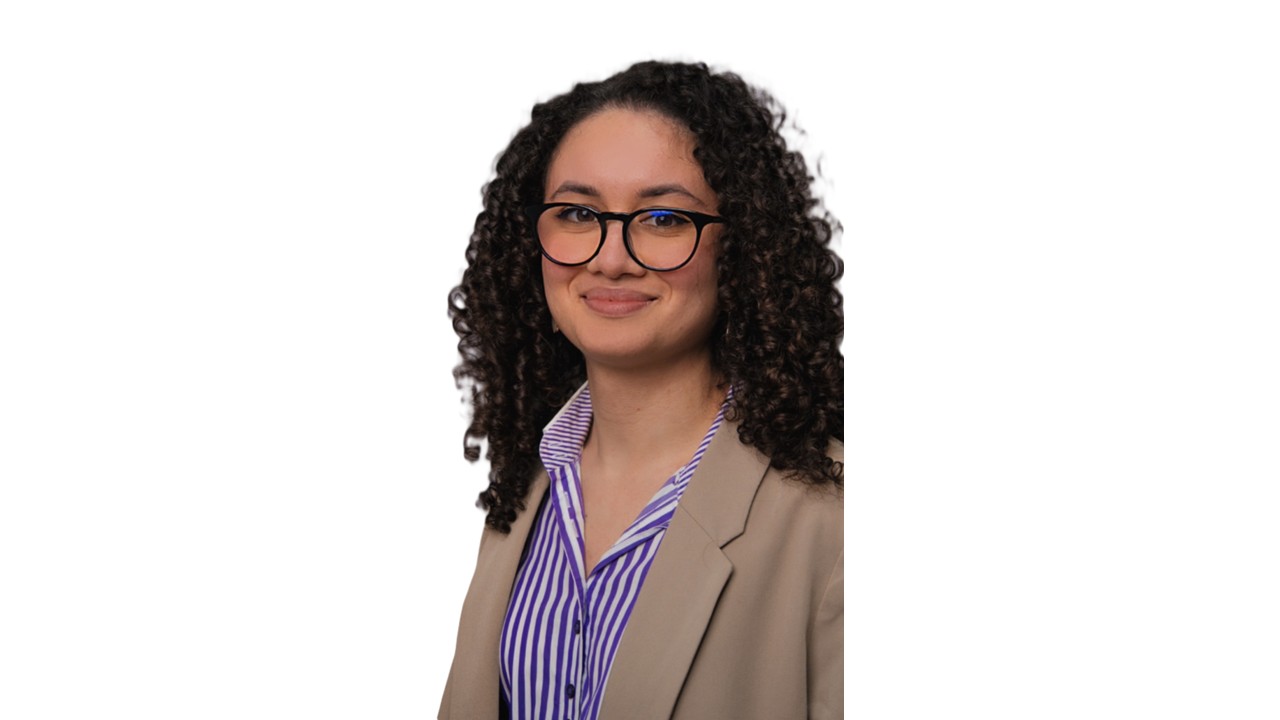
 Jhenifer Oliveira, MSc
Research Fellow – Advanced in vitro systems
Jhenifer Oliveira holds a bachelor's and a master's degree in Biochemistry from NOVA School of Science and Technology. Over the past seven years, her research has been focused on the development and application of spheroid-based 3D cell models as platforms for drug testing, disease modeling, and translational biomedical research. Her work aims to bridge the gap between conventional in vitro assays and more physiologically relevant platforms for translational and preclinical research. Her master's project consisted of implementing and optimizing a 3D hepatic cell model incorporating immune cells that would resemble innate macrophages. The work was carried out at the Advanced Cell Models laboratory – iBET, where she acquired experience in cell culture techniques and 3D models. In 2021 she started a PhD in Biomedicine at OncoNanoLab - Nova Medical School where she developed 3D cell models of breast cancer to test different nanotherapies while comparing with other in vitro and in vivo models.
Mafalda Meunier holds a BSc in Biology and a MSc in Biomedical Sciences. During her master’s thesis she studied the potential of dendritic cells in modulating autologous T lymphocytes responses during infection by Leishmania infantum. Since then, she worked in projects related to immunology and infectious diseases. Currently, she is a research fellow within the Drug Discovery team in a R&D project targeting T cell activity to address inflammation.
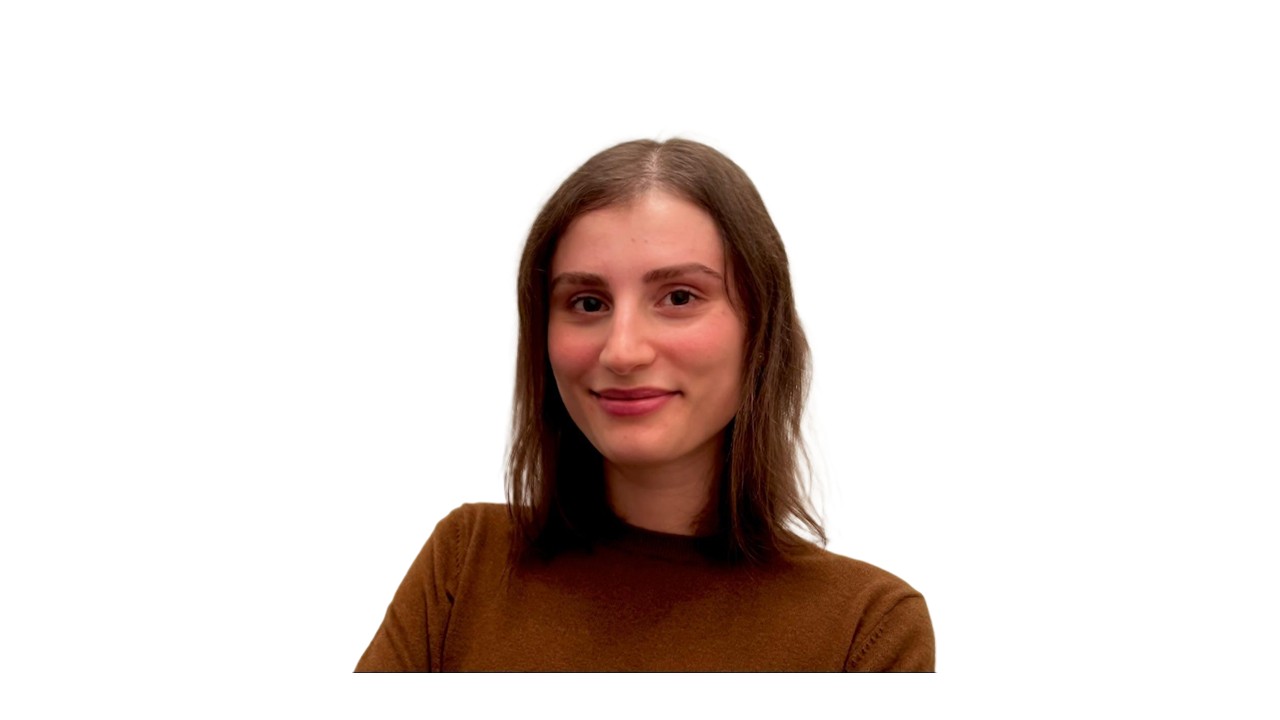
 Mafalda Meunier, MSc
Research Fellow – Drug Discovery Projects
Mafalda Meunier holds a BSc in Biology and a MSc in Biomedical Sciences. During her master’s thesis she studied the potential of dendritic cells in modulating autologous T lymphocytes responses during infection by Leishmania infantum. Since then, she worked in projects related to immunology and infectious diseases. Currently, she is a research fellow within the Drug Discovery team in a R&D project targeting T cell activity to address inflammation.
Biochemist and Materials Scientist with 15+ years of experience in academic and industrial settings of biotech, nanotech, and medtech. Experienced in proof-of-concept designing, roadmap drafting and risk mitigation. Lately, João has been supporting tech teams from early concepts through to development stages.
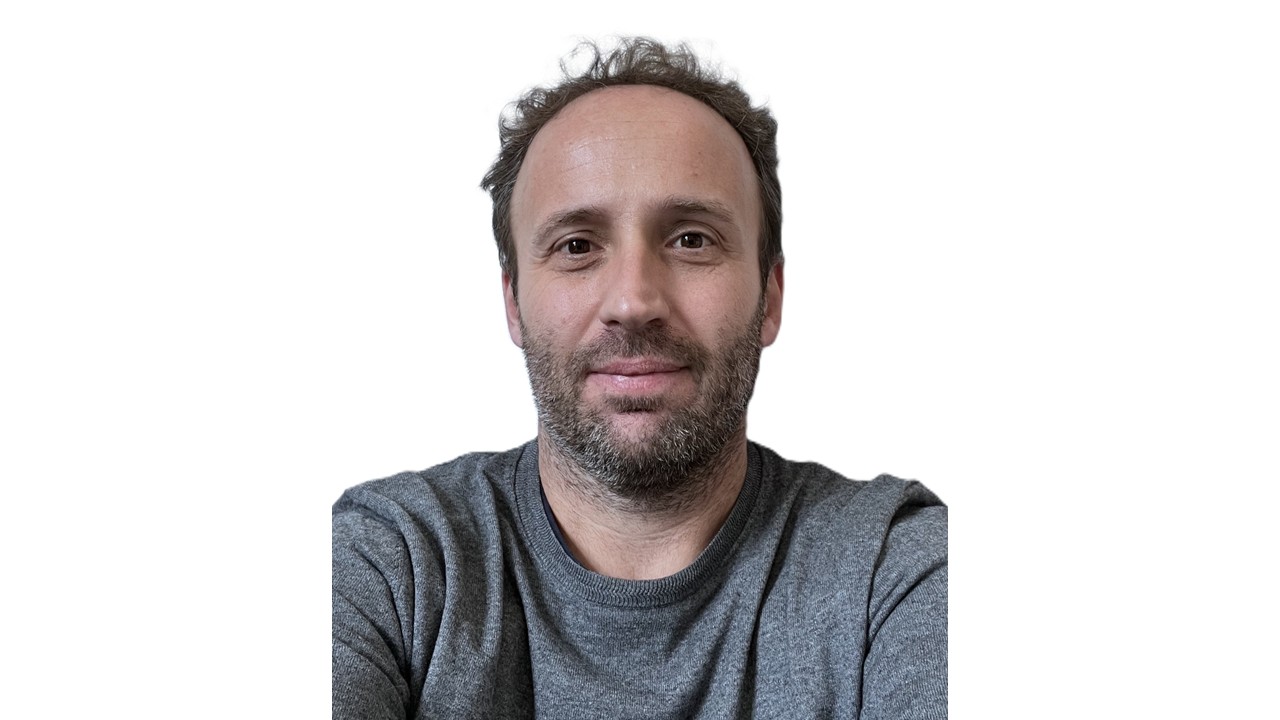
 João Maia, PhD
Innovation Manager
Biochemist and Materials Scientist with 15+ years of experience in academic and industrial settings of biotech, nanotech, and medtech. Experienced in proof-of-concept designing, roadmap drafting and risk mitigation. Lately, João has been supporting tech teams from early concepts through to development stages.
"Diana Gonçalves holds a bachelor's degree in Biomedical Sciences and a master's degree in Microbiology from the University of Aveiro. She is a young research scientist with 2 years of hands-on laboratory experience in biochemistry, microbiology and host–pathogen interactions. Her master's thesis project was at the Institute of Biomedicine (iBiMED) of University of Aveiro, in the Viral Host-Cell Interactions Laboratory, where she researched host’s antiviral response against influenza A virus, in the context of developing new host-directed therapies.
She worked within a multidisciplinary research team and presented her work in two scientific poster presentations. Her research interests include microbial pathogenesis and host–microbe interactions."
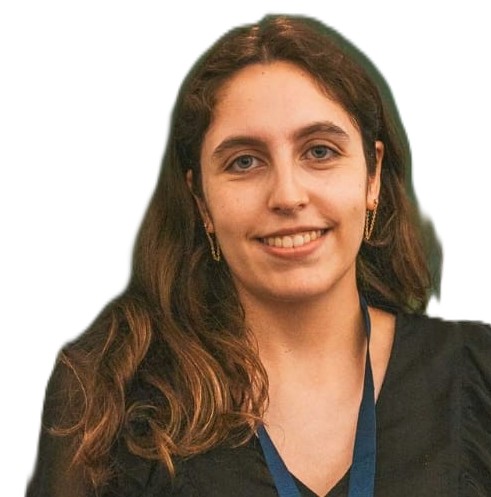
 Diana Gonçalves, MSc
Research Fellow – High Throughput Screening
"Diana Gonçalves holds a bachelor's degree in Biomedical Sciences and a master's degree in Microbiology from the University of Aveiro. She is a young research scientist with 2 years of hands-on laboratory experience in biochemistry, microbiology and host–pathogen interactions. Her master's thesis project was at the Institute of Biomedicine (iBiMED) of University of Aveiro, in the Viral Host-Cell Interactions Laboratory, where she researched host’s antiviral response against influenza A virus, in the context of developing new host-directed therapies.
She worked within a multidisciplinary research team and presented her work in two scientific poster presentations. Her research interests include microbial pathogenesis and host–microbe interactions."
Marta Valido Narciso is a Project Manager at AccelBio. Before joining the team, Marta worked at Ludwig-Maximilians-Universität München (LMU Munich) where she started as a Project Manager of the MSCA Innovative Training Network (ITN) “Cell2Cell”. With the end of the ITN, she then progressed to the position of EU Grants Administrative Officer in the Research Finance Department of LMU Munich’s central administration. Both as Project Legal and Financial Signatory, she managed LMU’s European Commission-financed projects mostly within the Horizon 2020 and Horizon Europe programmes. Marta has a life sciences background holding a BSc in Biochemistry from the Faculty of Sciences of University of Lisbon and a MSc in Biomedical Research from the Faculty of Medicine of University of Lisbon. The latter was in collaboration with Instituto de Medicina Molecular (iMM), where she also briefly worked as a laboratory technician before transitioning to her current managerial roles.
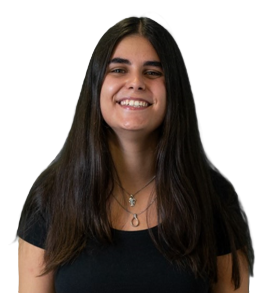
 Marta Narciso, MSc
Project Manager
Marta Valido Narciso is a Project Manager at AccelBio. Before joining the team, Marta worked at Ludwig-Maximilians-Universität München (LMU Munich) where she started as a Project Manager of the MSCA Innovative Training Network (ITN) “Cell2Cell”. With the end of the ITN, she then progressed to the position of EU Grants Administrative Officer in the Research Finance Department of LMU Munich’s central administration. Both as Project Legal and Financial Signatory, she managed LMU’s European Commission-financed projects mostly within the Horizon 2020 and Horizon Europe programmes. Marta has a life sciences background holding a BSc in Biochemistry from the Faculty of Sciences of University of Lisbon and a MSc in Biomedical Research from the Faculty of Medicine of University of Lisbon. The latter was in collaboration with Instituto de Medicina Molecular (iMM), where she also briefly worked as a laboratory technician before transitioning to her current managerial roles.
Ivo Lorenz is the Head of Biologics at Deerfield Discovery and Development in New York. A native of Switzerland, he obtained his PhD in Biochemistry from the Swiss Federal Institute of Technology. After his postdoctoral training at The Rockefeller University, Dr. Lorenz held group leader positions at the International AIDS Vaccine Initiative and at Boehringer Ingelheim Pharmaceuticals, where he gained extensive experience in biologics drug discovery and project management. He then established and led the biologics discovery team in his role as Vice President, Biologics at the Tri-Institutional Therapeutics Discovery Institute, an academic drug discovery center jointly run by Memorial Sloan Kettering Cancer Center, The Rockefeller University, and Weill Cornell Medicine in New York. At Deerfield, Dr. Lorenz and his team work on a pipeline of biologics discovery and development programs to find new, innovative medicines for a variety of diseases, and advance them to the clinic.
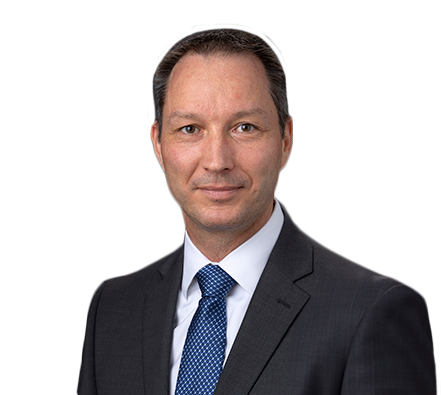
 Ivo Lorenz, PhD
Ivo Lorenz is the Head of Biologics at Deerfield Discovery and Development in New York. A native of Switzerland, he obtained his PhD in Biochemistry from the Swiss Federal Institute of Technology. After his postdoctoral training at The Rockefeller University, Dr. Lorenz held group leader positions at the International AIDS Vaccine Initiative and at Boehringer Ingelheim Pharmaceuticals, where he gained extensive experience in biologics drug discovery and project management. He then established and led the biologics discovery team in his role as Vice President, Biologics at the Tri-Institutional Therapeutics Discovery Institute, an academic drug discovery center jointly run by Memorial Sloan Kettering Cancer Center, The Rockefeller University, and Weill Cornell Medicine in New York. At Deerfield, Dr. Lorenz and his team work on a pipeline of biologics discovery and development programs to find new, innovative medicines for a variety of diseases, and advance them to the clinic. In his additional role as Head of Academic Outreach, Dr. Lorenz supports the sourcing of new projects from Deerfield’s large network of academic institutions across the United States.
Molly Harper is the Chief Business Officer at Synlogic and is a member of the Board of Directors for Catalyst Pharmaceuticals and PreciseDx, bringing more than 20 years of operating experience in the biopharma industry, with a focus on translating development assets into commercialized products. She previously served as Executive Vice President of Operations for Relmada Therapeutics, and was a member of the founding team at Akcea Therapeutics, where her last position was Senior Vice President and Global Franchise General Manager, with responsibility for a six-drug portfolio, including the commercialization of two rare disease drugs. Ms. Harper previously served in commercial leadership positions at Genzyme and Merck & Co. She holds an MBA from The Wharton School at the University of Pennsylvania, and a BA from Cornell University.

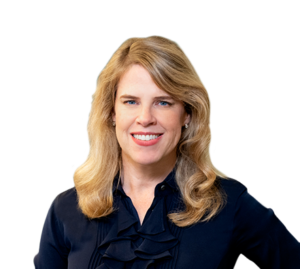 Molly Harper, MBA
Molly Harper is the Chief Business Officer at Synlogic and is a member of the Board of Directors for Catalyst Pharmaceuticals and PreciseDx, bringing more than 20 years of operating experience in the biopharma industry, with a focus on translating development assets into commercialized products. She previously served as Executive Vice President of Operations for Relmada Therapeutics, and was a member of the founding team at Akcea Therapeutics, where her last position was Senior Vice President and Global Franchise General Manager, with responsibility for a six-drug portfolio, including the commercialization of two rare disease drugs. Ms. Harper previously served in commercial leadership positions at Genzyme and Merck & Co. She holds an MBA from The Wharton School at the University of Pennsylvania, and a BA from Cornell University.
Katie Ellias is the Managing Director of T1D Fund since 2018, where she has led a number of investments in companies developing T1D-oriented therapies. She currently serves as a director on the board of SAB Biotherapeutics (NASDAQ: SABS), represents the T1D Fund as a director of DiogenX, and Veralox Therapeutics, and serves on the board of Fund companies Nipuna, Therapeutics, Cour Therapeutics, Seraxis, i2O Therapeutics, and Biolinq. Ms. Ellias joined the T1D Fund from Endeavour Vision, a Geneva-based growth stage venture fund. She was previously Principal at Sofinnova Partners, Paris, a leading early-stage life sciences fund. Ms. Ellias has also held commercial and business development roles with Medtronic and started her career at McKinsey & Company. Katie holds an M.B.A. in Healthcare Management from the Wharton School at the University of Pennsylvania and a B.A. in International Relations and Political Science from Yale University.
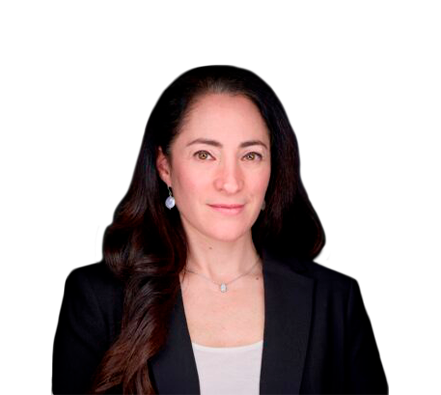
 Katie Ellias, MBA
Katie Ellias is the Managing Director of T1D Fund since 2018, where she has led a number of investments in companies developing T1D-oriented therapies. She currently serves as a director on the board of SAB Biotherapeutics (NASDAQ: SABS), represents the T1D Fund as a director of DiogenX, and Veralox Therapeutics, and serves on the board of Fund companies Nipuna, Therapeutics, Cour Therapeutics, Seraxis, i2O Therapeutics, and Biolinq. Ms. Ellias joined the T1D Fund from Endeavour Vision, a Geneva-based growth stage venture fund. She was previously Principal at Sofinnova Partners, Paris, a leading early-stage life sciences fund. Ms. Ellias has also held commercial and business development roles with Medtronic and started her career at McKinsey & Company. Katie holds an M.B.A. in Healthcare Management from the Wharton School at the University of Pennsylvania and a B.A. in International Relations and Political Science from Yale University.
Toni Andreu is the current Scientific Director of EATRIS (The European Infrastructure for Translational Medicine), a position he has held since 2018. Toni is an M.D., Ph.D. specialised in genetics and genomics of rare diseases. He has been working in the field of neuromuscular disorders from a clear translational perspective, from basic science to the development of cell and animal models and clinical research. During his career he has published over 180 scientific papers, numerous book chapters and supervised several PhD programs. After working at Columbia University in New York on mitochondrial disorders from 1998 to 2001, he moved to Barcelona to create the Neuromuscular Lab at the Vall d’Hebron Research Institute where he became Director of the Neurosciences Research Program and later CEO of the University Hospital of Bellvitge, one of the largest health care institutions in Spain.
He has also been extremely active in the field of policy-making, and has held positions as the Director of the Spanish National Institute of Health Carlos III as well as the Director General for Research and Innovation at the Catalan Ministry of Health.

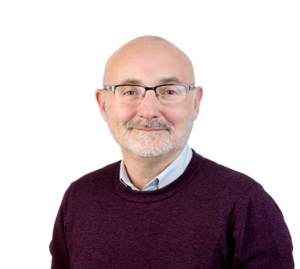 Toni Andreu, PhD
Toni Andreu is the current Scientific Director of EATRIS (The European Infrastructure for Translational Medicine), a position he has held since 2018. Toni is an M.D., Ph.D. specialised in genetics and genomics of rare diseases. He has been working in the field of neuromuscular disorders from a clear translational perspective, from basic science to the development of cell and animal models and clinical research. During his career he has published over 180 scientific papers, numerous book chapters and supervised several PhD programs. After working at Columbia University in New York on mitochondrial disorders from 1998 to 2001, he moved to Barcelona to create the Neuromuscular Lab at the Vall d’Hebron Research Institute where he became Director of the Neurosciences Research Program and later CEO of the University Hospital of Bellvitge, one of the largest health care institutions in Spain.
He has also been extremely active in the field of policy-making, and has held positions as the Director of the Spanish National Institute of Health Carlos III as well as the Director General for Research and Innovation at the Catalan Ministry of Health.


 Afonso Malheiro, PhD